Seo One Click
How to use
search engine optimization is all about dozens of on-page elements that need to be monitored carefully—titles, meta descriptions, headings, links, image alt text, Open Graph tags…the list goes on. This can start to be a time consuming and unproductive process when manually going over all of these on each page. That’s exactly why tools similar to SEO META in 1 CLICK are becoming increasingly necessary for marketers, SEO pros and website owners. With one click, WI Technical Assistance allows you to see all important SEO metadata for any webpage and makes auditing a page so much faster! You can instantly up your optimization game.
In this complete guide, you will learn what is SEO META in 1 CLICK and how does it work, why you should install it, a step-by-step instruction for installation as well as how to use each tab properly for on-page SEO analysis. You’ll also find best-practice workflows and handy hints for getting the most out of this powerful yet straightforward tool.
Add SEO META in 1 CLICK on WordPress – How to install..Enable this module so you can add SEO meta title,description and keywords at each page, product or category.
You can install the extension in less than a minute:
- Open Google Chrome.
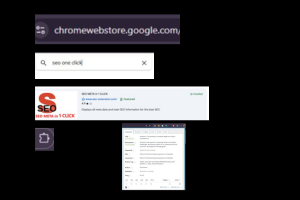
- Just visit the Chrome Web Store and find SEO META in 1 CLICK.
- Click Add to Chrome.
- Once installed, click the puzzle icon in the top-right corner (Extensions menu).
- Stick SEO META on your toolbar to have its icon always visible.
- After installing you will see the AnalyzE extension icon, simply open any web page and click on the extension icon to being analyzing.
- click here vivit web site one click seo
Summary Tab
Here is your quick reference checklist of the most important SEO signals to support you right now:
- Meta title + character count
- Meta description + character count
- URL and canonical URL
- Robots tag (index/noindex, follow/nofollow)
- Language, author, and viewport tags
- Why it matters:
- This is the quickest way to determine substantial problems. A duplicate title, a noindex tag or lack of meta description on your page will be immediately visible.
- Optimization Tips:
- 50–60 characters in a title is what I’d shoot for.
- Keep meta descriptions to between 150 and 160 characters.
- Canonical for: duplicate or similar content Ensure that your canonical URL is appropriate.
- Make sure your robots tag doesn’t prevent key pages from being indexed.
Headers Tab (H1–H6 Structure)
- This tab contains Heading lists from the page – count and order.
- What you’ll see:
- 1 H1 (ideal)
- Multiple H2s
- Supporting H3–H6 tags
- Why it matters:
- search engines use headings to organize and rank the importance of your content. It’s less optimized if it is multiple H1 tags (or missing headings).
- Optimization Tips:
- Use only one H1 per page.
- Use H2s for main sections.
- Utilize H3s to hang off the H2 sections.
- Don’t go two levels up (e.g., don’t jump from H1 to H4).
Images Tab
- This tab reveals:
- Total number of images
- How many images have empty alts?
- How many have missing titles
- Image file names
- Why it matters:
- Alt text is how search engines “see” images, and it helps make content more accessible. You’re also harming your SEO and image search visibility by not having alt tags.
Optimization Tips:
- Include descriptive alt text in every crucial image.
- Include keywords naturally where relevant.
- Avoid stuffing keywords—keep descriptions meaningful